Elementary Classroom Supplies List (Must-Have Supplies for Teachers)
Setting up a classroom takes more than lesson plans. You also need the right tools and materials to keep students organized, engaged, and ready to learn.
If you’re preparing your classroom for the new school year, this elementary classroom supplies list will help you gather the must-have classroom supplies for teachers that will make your daily routines easier.
Whether you’re a first-year teacher setting up your room for the first time or a veteran teacher, refreshing your materials and having the right supplies ready before students arrive can make the entire year run more smoothly.
Below you’ll find practical classroom supplies that many elementary teachers rely on every day.
📌 Save this post for later!
Setting up your classroom takes time, and it’s easy to forget a few important supplies. Pin this elementary classroom supplies post so you’ll have a quick reference when you’re planning your classroom setup or preparing for the new school year.
What Supplies Do Elementary Teachers Need?
As elementary teachers, we rely on a combination of organization tools, everyday student materials, and teaching supplies.
Some of the most common classroom supplies include:
- pencils
- glue sticks
- scissors
- dry-erase boards
- storage bins
- math manipulatives
- sticky notes
- file folders
- classroom timers
Having these supplies ready before the school year begins will help you stay organized and able to focus on teaching rather than searching for materials. 🤓
Essential Classroom Supplies for Elementary Teachers
Organization Supplies
Keeping materials organized will help your classroom run smoothly and save you teacher-time throughout the school day.
Helpful classroom organization supplies include:
- plastic storage bins
- drawer organizers
- file folders
- hanging file crates
- classroom labels
- book bins for classroom libraries
- clipboards for student work
- small and large plastic sealable baggies
When materials have a clearly labeled home, students quickly learn routines for finding and returning supplies.
Clear Storage Bins for Classroom Organization
Keeping classroom materials organized can be tricky, so I always relied on clear storage bins. Students could easily see where supplies belonged, which made clean-up routines much smoother.
These are especially helpful for organizing:
• math manipulatives
• center materials
• early finisher activities
• classroom supplies
There are many options out there, but I really love this particular storage bin. It’s extremely useful, a great size, and has a variety of ways to use it. I find it perfect for many, many things, and it’s super easy to see and organize classroom supplies inside of it.
👉 You can see a quick demo of this storage container here.
Basic Student Supplies
These are the everyday materials students will use constantly in your elementary classrooms.
Most teachers keep extra supplies available because pencils and glue sticks tend to disappear quickly.
Common student supplies include:
- pencils
- erasers
- crayons or colored pencils
- glue sticks
- scissors
- dry-erase markers
- composition notebooks
- wide-ruled paper
I always keep a small supply of backup materials for students who forget to bring their own. This helps things run smoothly and prevents a student from interrupting another student by asking them to share.
In addition to these general classroom materials, I also keep a collection of math classroom supplies for grades 2–4 available to support daily lessons, hands-on learning, and math centers. This is a real necessity in the math classroom.
Math Supplies for an Elementary Classroom
Because you’ll teach math every day in the elementary classrooms, it’s very beneficial to keep your math tools easily accessible.
Some commonly used elementary math classroom supplies include:
- dice
- dry-erase boards
- number lines
- place value charts
- base ten blocks
- counters (for 1st and 2nd grades, two-color counters are a preference)
- Unifix cubes (1st and 2nd grades)
- Multi-Link cubes (3rd and 4th grades)
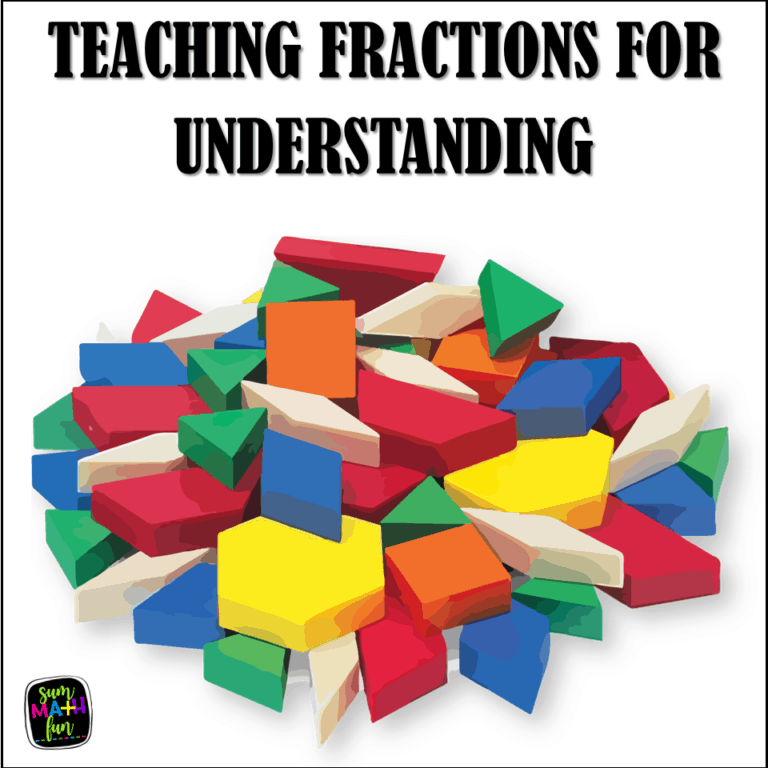
- pattern blocks
- decks of cards for math games
- Rekenrek
These simple tools make it much easier to create quick practice activities, math games, and partner work. They’re also helpful for quick math warm-ups or time filler activities when you need a short review at the beginning or end of a lesson.
💡 Teacher tip:
Unifix Cubes, Multi-Link Cubes, and Snap Cubes are different and serve different purposes. Unifix cubes only connect on one side and work well for beginning place value instruction. Students can actually see and touch “the ones” as they count and regroup them to make a “ten”. They are also frequently used to teach patterns. Multi-Link Cubes and Snap Cubes work best for teaching perimeter, area, and volume since they connect on all sides. This feature makes them a perfect manipulative for lessons and projects that require three dimensional structures. In my experience, using Multi-Link Cubes in the early primary grades produced many creative configurations rather than the intended use of place value. 🤦♀️ Just my teacher-to teacher advice, choose the correct manipulative for your teaching purpose. 🤓
Base-Ten Blocks for Place Value
Base-ten blocks are one of the most helpful math manipulatives for teaching place value and multi-digit operations. Students can physically build numbers, regroup tens and ones, and model their thinking as they solve problems.
Using base-ten blocks as one of your hands-on math tools helps students see how numbers are composed and decomposed, making concepts like regrouping easier to understand.
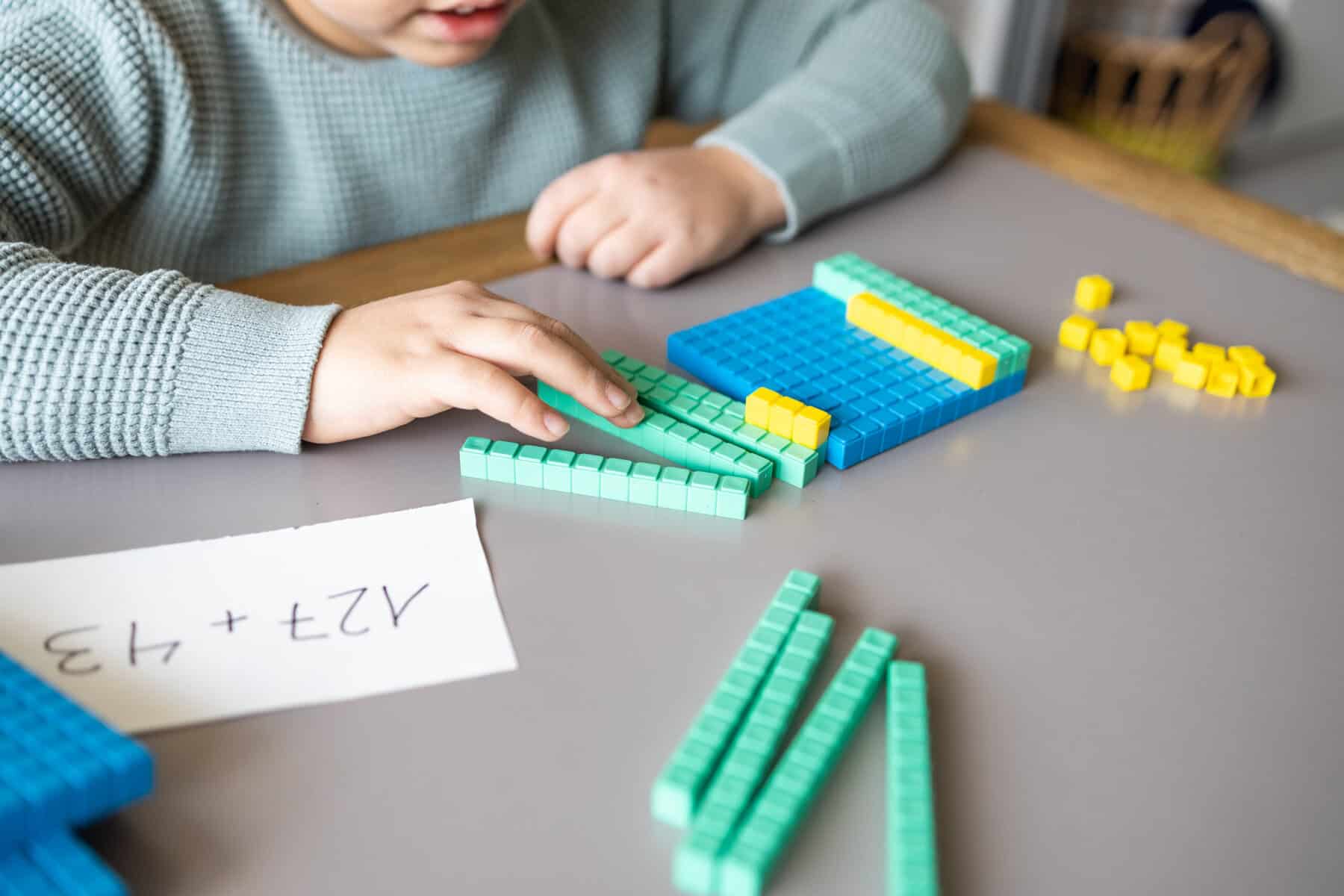
👉 See classroom sets of base-ten blocks here.
Mini Dry-Erase Boards for Student Practice
One tool I used constantly in my classroom was mini dry-erase boards. They make it easy for students to quickly show their thinking during math lessons, so you can check understanding at a glance.
Younger students especially benefit from them. When working in notebooks, students often erase repeatedly, which can tear the paper or leave messy eraser marks. 😑
With dry-erase boards, students can try different strategies without worrying about making mistakes because everything can be erased quickly. This simple change makes students much more willing to try a new approach and explain their thinking. They’re often more comfortable taking a risk and then justifying how they solved the problem.
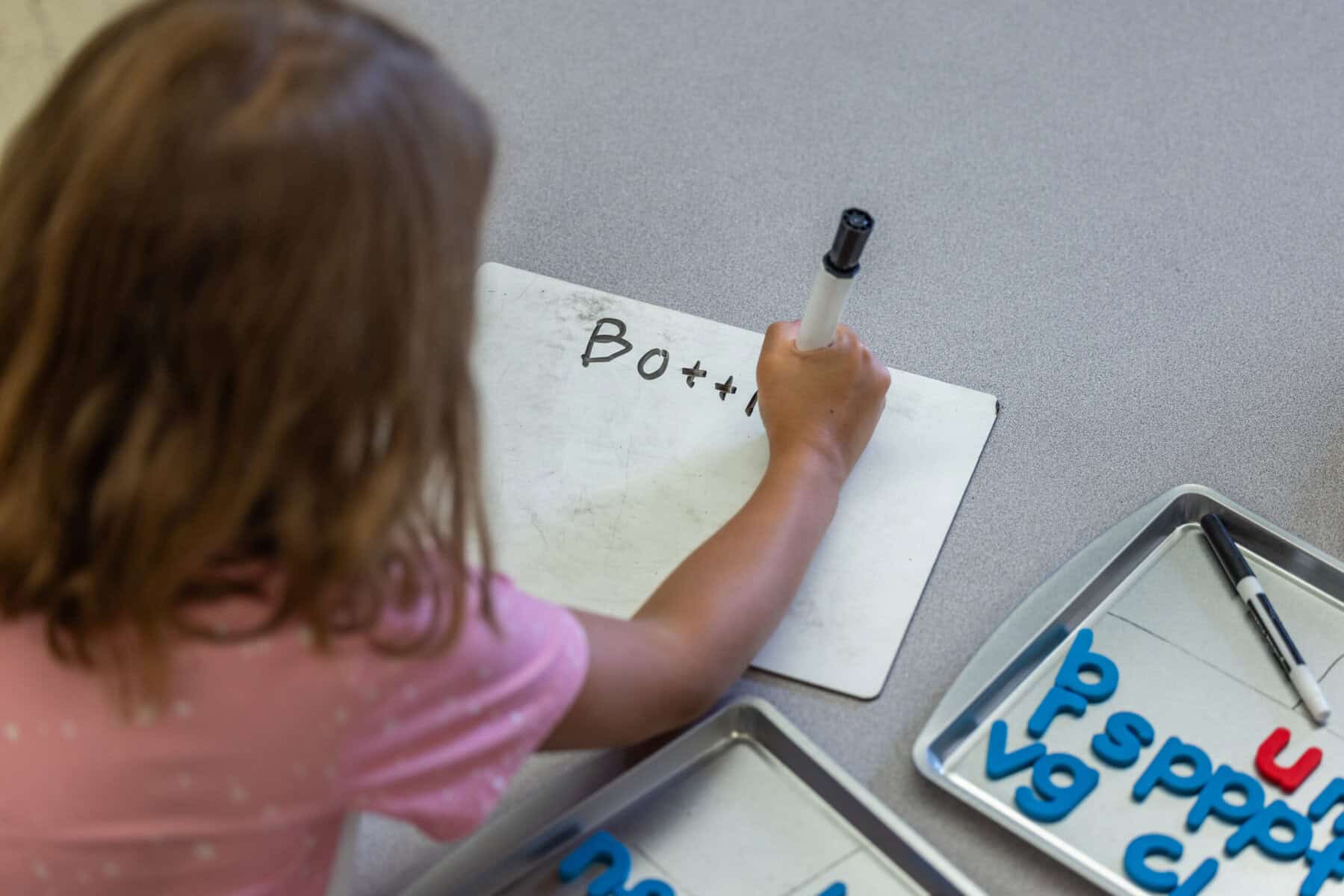
Dry-erase boards are also perfect for quick math discussions because students can show their work, compare strategies, and explain how they solved the problem.
💡Teacher Tip:
If you are keeping costs down, get just the pack of 12 and have your students work with partners. I often prefer this as it allows more student math conversations. Or, choose the pack of six and use them in small group. Make them work for you and what you need in your very own classroom. 💗
👉 See classroom sets dry-erase boards here.
Dice for Math Games and Centers
Dice are one of the simplest math tools you can keep in an elementary classroom. I used them constantly for math games, quick review activities, and partner practice.
Many math centers and small-group activities can be created using just a pair of dice. If you have a variety of different dice, you can easily change the activity to make it more challenging, or just change the numbers used.
Rekenrek for Building Number Sense
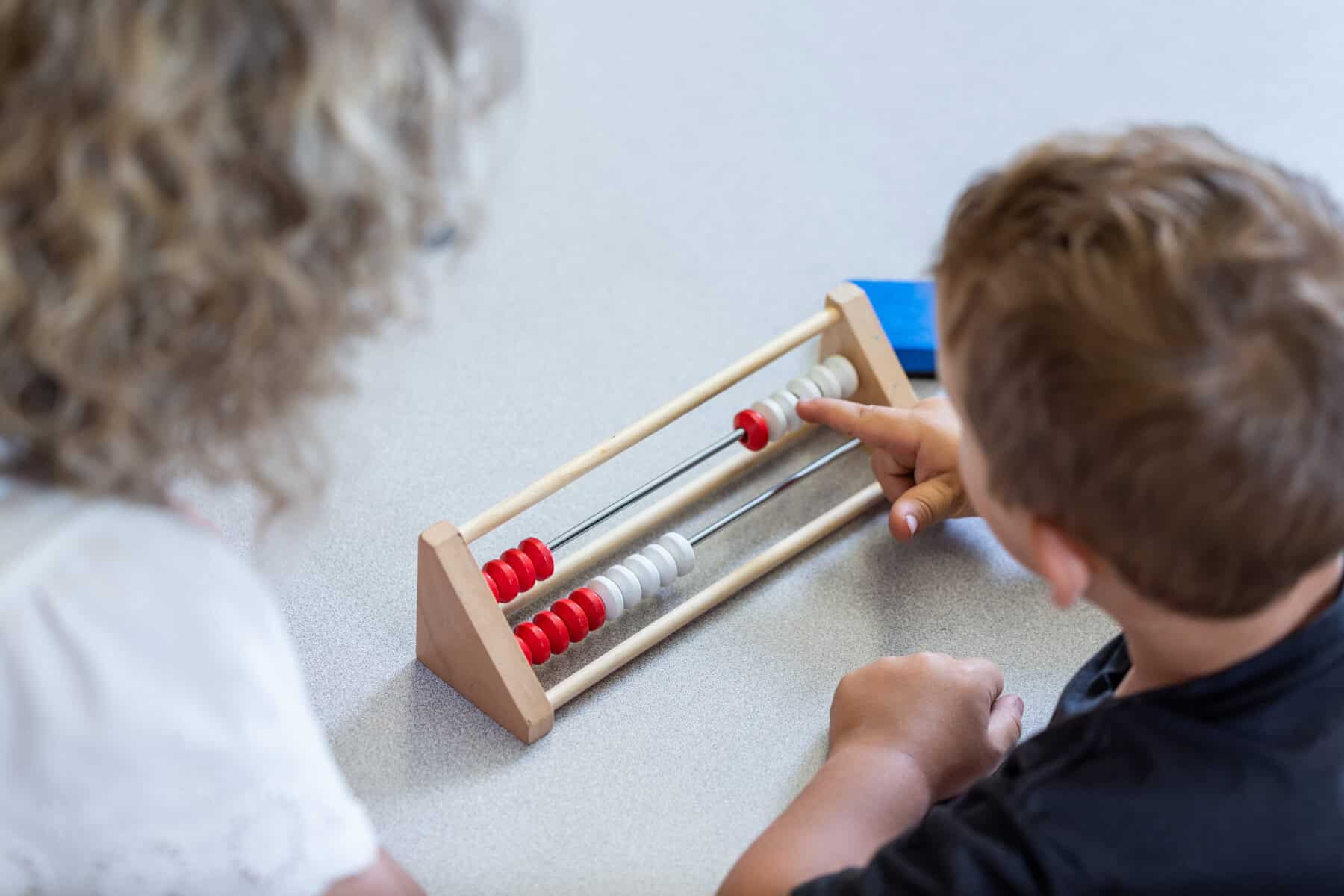
A rekenrek (sometimes called a counting frame) is a simple math tool made of two rows of beads that slide back and forth on rods. Each row usually contains 10 beads, often grouped into sets of 5 to help students quickly see number relationships.
Teachers use a rekenrek to help students visualize numbers, compose and decompose quantities, and develop mental math strategies. Instead of counting individual objects, students begin to recognize groups of numbers and think more flexibly about addition and subtraction.
In my experience, a rekenrek is especially helpful when students are learning strategies such as making ten, breaking numbers apart, and explaining their thinking. It allows students to model their reasoning in a way that is quick, clear, and easy for the whole class to see.
Many teachers keep a few rekenreks available during math lessons so students can demonstrate strategies and compare different ways to solve a problem. Having a few of these hands-on math tools available in your elementary math classroom supplies makes it easier to give extra support when needed.
👉 See classroom visual timers – include some super cute rainbow timers – here.
Helpful Teaching Tools for Daily Lessons
Beyond basic supplies, some tools simply make classroom lessons easier to manage.
These teaching tools are used frequently in many elementary classrooms:
- pocket charts
- classroom timers
- magnetic clips
- whiteboard erasers
- document camera supplies
These tools will help you present information clearly and manage classroom routines throughout the day.
Classroom Pocket Chart
A pocket chart is one of those classroom tools teachers use in many different ways. Pocket charts can display math problems, organize place value demonstrations, sort word cards, or model problem-solving strategies during lessons. You can see two different kinds with different uses in this image.

Many teachers keep a pocket chart near their teaching area so students can easily see numbers, words, or math models during instruction.
👉 See classroom pocket charts here.
Visual Classroom Timer for Student Focus
Many teachers like using a visual classroom timer to help students stay focused during independent work or center rotations. This can also be very helpful for individual students who struggle with time management.
Seeing how much time remains helps students stay on task and makes transitions much smoother and becomes a very useful classroom management tool.

There are many different visual timers to choose from – including cute rainbow ones that younger kids love. Some timers have alarms, some do not. Choose the one that works best for you and your classroom.
👉 You can find some fun and useful visual classroom timers here.
Classroom Supplies for First-Year Teachers
If you are a first-year teacher, it can be difficult to know what classroom supplies you actually need.
Many new teachers focus first on:
- classroom organization systems
- everyday student supplies
- math manipulatives and teaching tools
- basic classroom management tools
You don’t need to buy everything at once. I encourage you to gradually add supplies as you learn what works best in your classroom for your teaching style.
Starting with just the essentials will help you feel prepared for the first day of school.
I also recommend keeping a list of materials you wish you had for specific lessons or for classroom daily life. Using a notepad, notebook, or “Notes” on your phone prevents that moment of, “Now what was that I thought I needed?” Life in the elementary classroom is constantly moving, and taking a moment to note what you need is extremely helpful for planning.
Tips for Organizing Classroom Supplies
Setting up simple systems for organizing materials is a game-changer. You really need to do this now. Disorganization happens quickly and will add time and frustration to your day.
These helpful classroom organization tips will help make your students more independent:
- store frequently used supplies where students can reach them
- keep backup supplies in a separate storage area
- label shelves and bins clearly
- teach students routines for using and returning supplies
These small systems save valuable time and help students take responsibility for classroom materials. After centers and other activities, you’ll find your classroom much more organized. And at the end of the day, much easier to get ready for the next day’s lessons.
Free Printable Classroom Supplies Checklist
If you’d like an easy way to keep track of your classroom materials, a printable checklist can be very helpful.
You can use it while setting up your classroom at the beginning of the year or when restocking supplies during the school year.
👉 Download the Classroom Supplies Checklist here.
Final Thoughts
Setting up a classroom takes time, but having the right materials makes daily routines much easier for both you and your students.
These elementary classroom supply lists include many of the tools teachers use regularly throughout the school year.
With a few essential supplies, simple organization systems, and materials that support your lessons, you can start the year feeling prepared and ready to teach. 💗
Amazon Affiliate Disclosure
Sum Math Fun may earn a few cents if you purchase using our links, at no extra cost to you. Thanks for keeping us in stickies and paperclips. 🙂
Thanks!
And as always . . .