The Right Hand vs. Left Hand Routine: The Simple Fix for Solo Partner Games
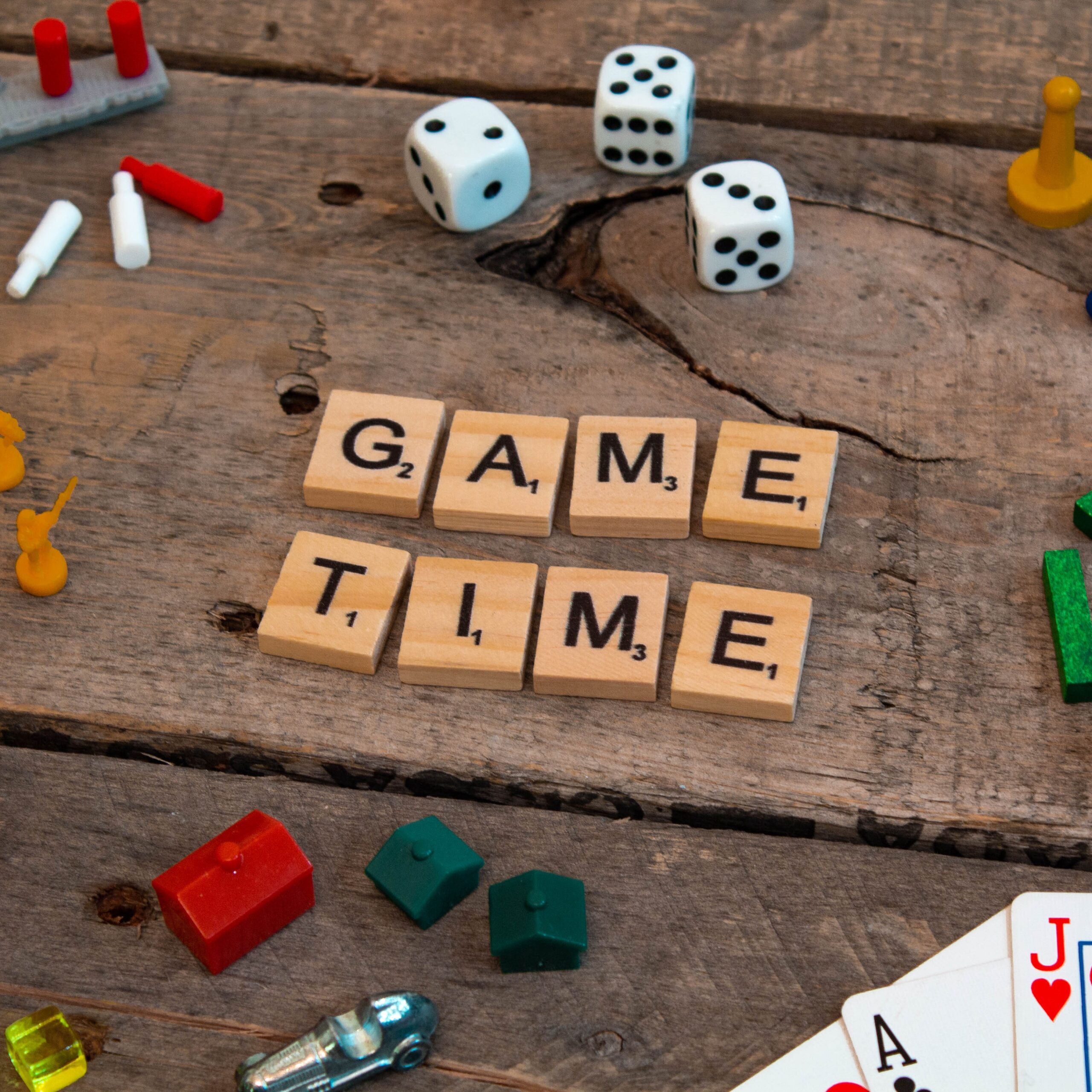
Every teacher knows the moment: you’re ready to launch math centers, your students are excited to play the partner game you just introduced…
And then you realize you have an odd number.
- Or a student who’s absent.
- Or someone who’s working independently today.
- Or a student who’s ready, but their partner is still finishing small-group work.
Suddenly, you’re stuck solving a problem you didn’t plan for:
How do I help a single student play a partner game by themselves without losing the structure and purpose of turn-taking?
That’s when I reach for a little classroom routine I call Right Hand vs. Left Hand — a simple way to let students play games independently without feeling left out.
Any game designed for two players — whether math, language arts, or another center activity — works! And the best part? It works perfectly both in the classroom and at home.
Why the Right-Hand vs Left-Hand Routine Works
-
Built-in challenge and engagement. Most kids are right-handed, so when they use their left hand as “Player Two,” it slows them down just enough to keep things interesting. It’s not boring solo work — it feels like a fair competition.
-
Independence for early finishers or solo moments. If a student finishes early or doesn’t have a partner, you don’t have to abandon games. The student can play independently, keeping them engaged rather than waiting or becoming restless.
-
Versatility across subjects and settings. This isn’t just for math. Any center game — sight-word bingo, reading games, vocabulary match-up, even board-game mechanics adapted for younger students — can use Left vs. Right. At home, siblings or solo children can play too.
What Is the Right Hand vs. Left Hand Routine?
It’s beautifully simple:
-
Use the partner game (two-person game) exactly as written.
-
When it’s “Player One’s” turn — do everything with the right hand (for example, move a piece, flip a card, draw a token).
-
When it’s “Player Two’s” turn — use the left hand.
-
Want to add fun? Invite kids to name their “players.” My students often named their hands — “Blue” and “Gold,” or fun character names.
Kids love it. You may hear things like, “I want my right hand to win!” Or see students changing chairs as turns switch.
And because when it’s the left-hand’s turn, it’s usually trickier, it keeps the competition lively — even when it’s the same person controlling both sides. 💗
- It’s easy to implement.
- It’s structured.
- It’s fun.
- And it works with nearly every math or literacy center you already use.
That’s it! 🤓
- You still get turn-taking.
- You still get game flow.
- You still get accountability.
- But now, one single student can fully play a partner game, even when a human partner isn’t available.
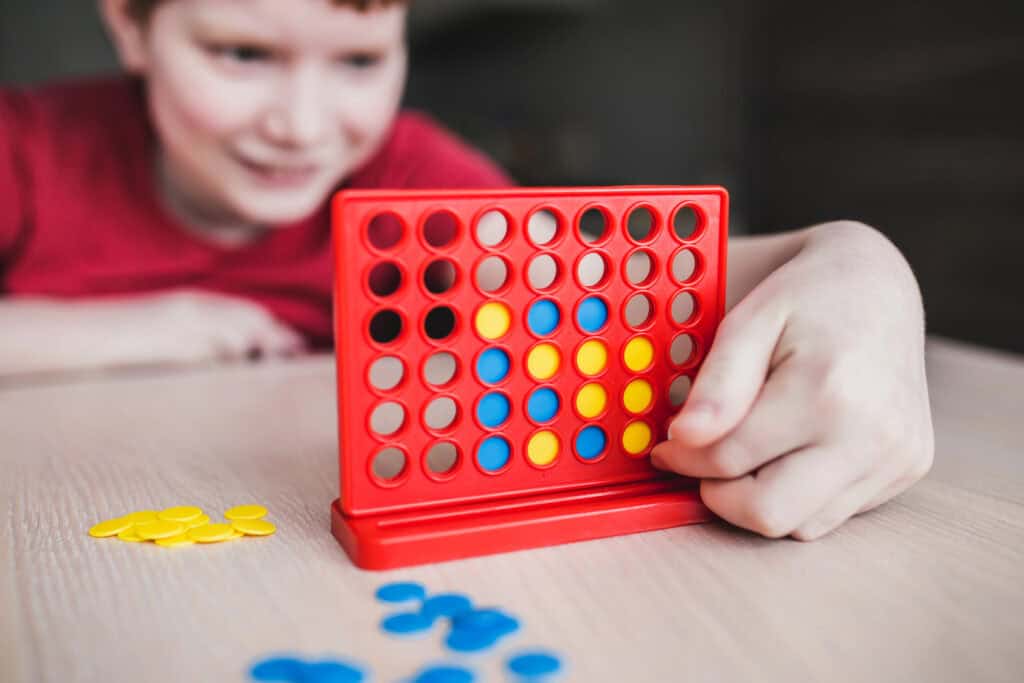
This solves daily classroom challenges like:
-
odd numbers of students
-
staggered completion times
-
partner absences
-
early finishers
-
morning tubs
-
calm-down or soft-start moments
-
at-home practice
-
independent math stations
And because the cues are physical (right vs. left hand), there’s:
-
no arguing,
-
no confusion, and
-
no waiting.
Students instantly understand exactly what to do.
Any game meant to be played with another person can be played alone without feeling alone!
Tips & Tricks for Smooth Use
-
Encourage naming the hands — it makes the game feel real and playful.
-
Keep game pieces (cards, counters, dice) within easy reach so transitions are quick and smooth.
-
For games needing two colors or sets of manipulatives, pre-sort supplies so students aren’t tempted to mix pieces up.
-
Use this trick as a flexible option — not a replacement for partner games. When actual partners are available, those social interactions are still valuable and should be prioritized.
Great Games (and How to Adapt Them)
Here are a few ideas where this trick shines — and how to tweak if needed:
1. Bump Games (Fast, Motivating, & Perfect for Solo Turn-Taking)
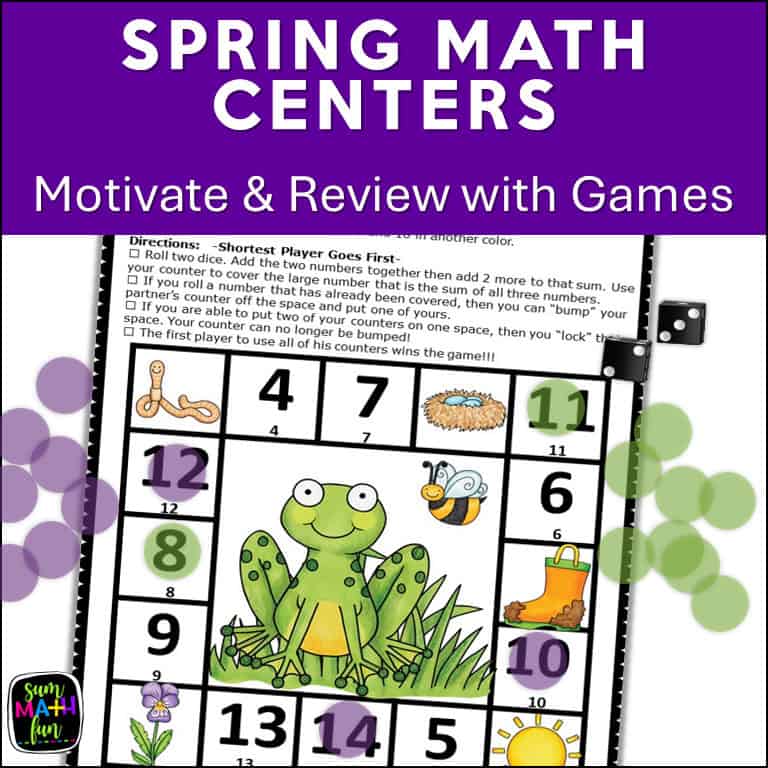
Bump is usually thought of as a two-player game, but Right Hand vs. Left Hand turns it into one of the best independent math activities.
Students alternate hands:
-
Right hand rolls/spins, solves, and claims a space as Player 1.
-
Left hand rolls/spins, solves, and bumps or locks the space as Player 2.
The “internal competition” makes Bump highly motivating, even with just one player. Students stay engaged, focused, and eager to keep going.
To save you time, if you’d like some ready-made Bump Games, check out these games from my TPT store: Bump Games for Computation.
If you’d like free addition bump games that are ready to go, check out this blog post that includes free games: Math Bump Games for Addition Fact Practice
2. Spinner Games (Solve & Cover Activities)
Spinner games are practically designed for this routine.
A student plays like this:
-
Right hand spins, solves, and marks an answer.
-
Left hand spins, solves, and marks a different answer.
This keeps the structure of the game — spin → solve → cover — while allowing students to work completely on their own.
For teachers, it means:
-
less waiting
-
fewer interruptions
-
more consistent math practice
-
and centers that run themselves
For ready-to-go spinner games, check out these games to see which ones are right for your students: Spinner Games
3. Board Games (Task Cards, Worksheets, & Flash Cards)
Any turn-based board game becomes independent-friendly with this routine.
Here’s how a student plays alone:
-
The right hand acts as Player 1: pick a card, solve, move a piece, or record an answer.
-
Then the left hand acts as Player 2: pick the next card, solve, and play again.
Because the hands alternate, the student keeps the pacing of a partner game instead of rushing through problems. This works beautifully with:
-
math task cards
-
literacy task cards
-
vocabulary review
-
grammar practice
-
fact fluency sheets
-
open-ended problem cards
If you’d like more ideas for using board games plus free board games you can use right away, check out: How to Use Game Boards to Increase Engagement
I hope you’ll try out 👉Right Hand vs. Left Hand👈. It’s an easy solution to a frequent classroom problem. 🤓
It’s a great way to keep your students engaged in games when they need to work independently.
If you need more games to keep your students engaged and challenged, join our FREE Resource Library, filled with over 100 games, worksheets, and Mathtacular problem-solving resources. Fill out the form below to receive the password plus new freebies, tips, and suggestions sent to your inbox!
I’d Love to Hear From You!
Have your students tried Right Hand vs. Left Hand? Do they have favorite games that work especially well? Share your experiences in the comments — I always love hearing the creative ways this routine shows up in your classroom. 😊
📌 Save this post for later
Want to remember all the details and suggestions? Save this post to your favorite math board so you can find it easily when you’re planning centers, prepping sub plans, or refreshing your math stations. 🤓