Winter Math Activities for Grades 1–4: Low-Prep Centers, Games & Printables That Work All Winter Long
Winter brings excitement… and a little chaos. Between schedule changes, early dismissals, weather interruptions, and the post-break transition, it can feel tough to keep math running smoothly.
Good news: winter is actually one of the easiest seasons to keep students engaged — as long as you use predictable, low-prep activities that feel fresh but still support your routines.
This post pulls together the most teacher-friendly winter math ideas for grades 1–4, all based on what really works in classrooms. You’ll find activities that build confidence, support small-group instruction, and save you time during one of the busiest stretches of the school year.
1. Why Winter-Themed Math Activities Help So Much
After winter break, students often need:
-
Gentle review
-
Shorter tasks with clear expectations
-
Movement and novelty
-
Predictable routines that make them feel safe
-
Opportunities to rebuild stamina
Winter-themed math tasks make the return smoother because they feel fun and inviting while still targeting essential grade-level skills.
A simple shift in theme (snowflakes, penguins, mittens, hot cocoa) can completely change student motivation.
2. Print-and-Go Winter Math Worksheets (Perfect for the First Week Back)
January is the perfect time for easy-to-run, independent worksheets that help students warm back up to math.
Look for pages that:
-
Provide a quick confidence boost
-
Focus on essential operations
-
Offer visual cues or self-checking
-
Require minimal explanation
-
Are winter-themed but still academic
If you need a ready-made option, I created a set of color-by-number Free Winter Math Worksheets for 1st Grade that reinforce addition and subtraction within 12. Teachers like them because they make the first few days back calmer and more structured.
Free Winter Math Worksheets for 1st Grade

3. Winter Logic Puzzles for Higher-Level Thinking
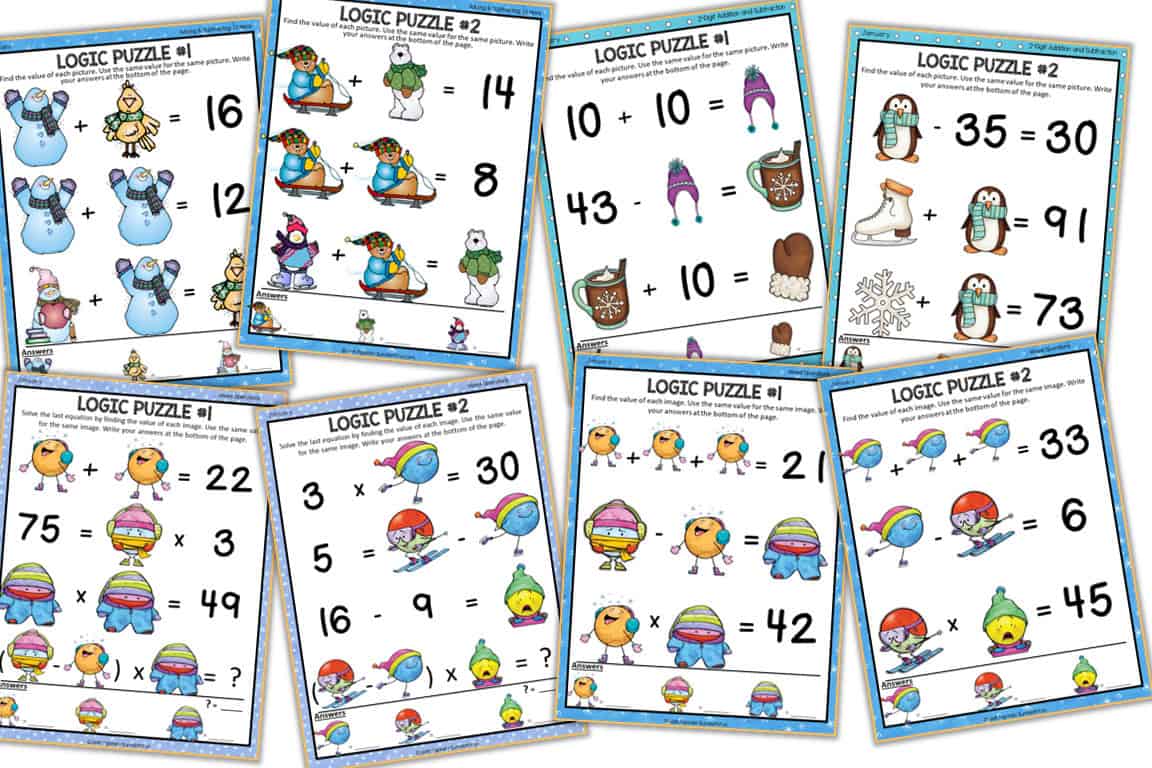
Logic puzzles are one of the easiest ways to keep students challenged during the winter months. They’re quiet, self-directed, and feel different from traditional worksheets—perfect for early finishers, enrichment groups, and center rotations when your schedule is unpredictable. Winter logic puzzles build reasoning, problem-solving, and persistence through tasks like number and operation puzzles, spatial reasoning challenges, deductive grids, and multi-step brainteasers.
Teachers especially love using the December, January, and February sets because the seasonal themes make the puzzles instantly engaging, and each month brings 12 fresh challenges students haven’t already seen. Many classrooms use them for morning work, warm-ups, partner challenges, or a dedicated “Thinking Station” that runs all winter long.
If you want a ready-to-use option, you can explore the winter logic puzzle bundles for your grade level (Grades 1–4). Each one includes three monthly sets—December, January, and February—so you always have meaningful, no-prep tasks on hand. And if you prefer a longer-term solution, there’s also a full Yearlong Logic Puzzle Bundle that includes every monthly set for that grade.
The January logic puzzles for grades 1-4 are a great place to start if you’d like to preview how these fit into your classroom routine.
4. Build a Snowman Money Activity (A Hands-On Winter Favorite!)
If your students need practice identifying and counting coins, this winter activity is a perfect fit and tons of fun!
The Build a Snowman Money Activity blends hands-on fun with real problem-solving, and students LOVE assembling their snowman as they solve each money challenge.
It works well for:
-
Small groups
-
Math centers
-
Early finishers
-
Independent practice after the break
You can find teaching tips and freebies here:
Build a Snowman Money Activity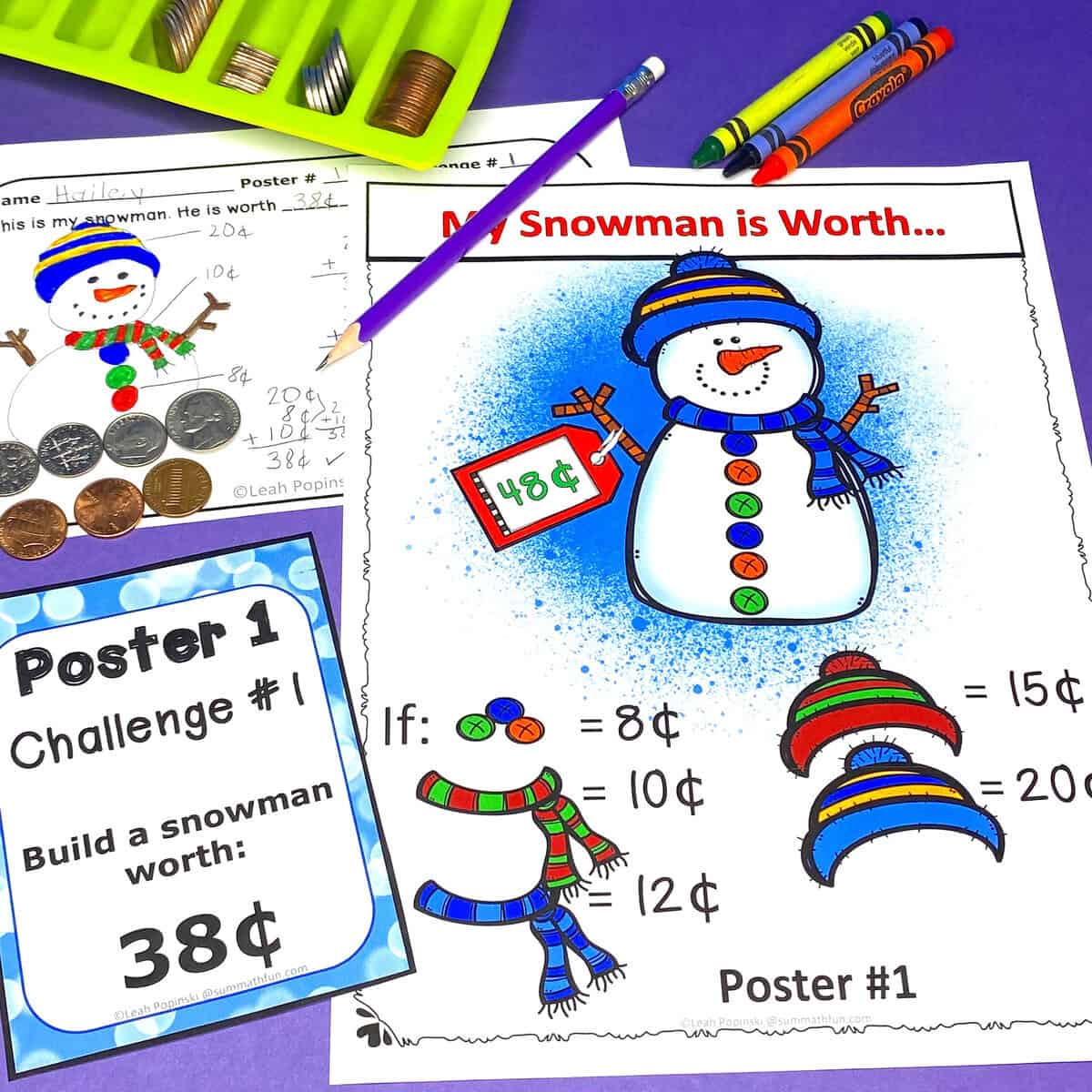
5. Winter Math Centers That Practically Run Themselves
One of the easiest ways to make winter calmer is to keep your centers simple and predictable. Instead of creating entirely new stations, keep the structure the same and change only the theme or the numbers.
Some easy-format winter centers:
-
Task cards that students solve on recording sheets
-
Hidden-picture puzzles
-
Self-checking number mazes
-
Matching or sorting activities
-
Short partner games like Bump Games
-
Quick challenges for early finishers
Tip: In January, start with two consistent centers and build back up gradually. This helps students relearn transitions and gives you back your small-group time.
6. January Warm-Ups to Rebuild Stamina
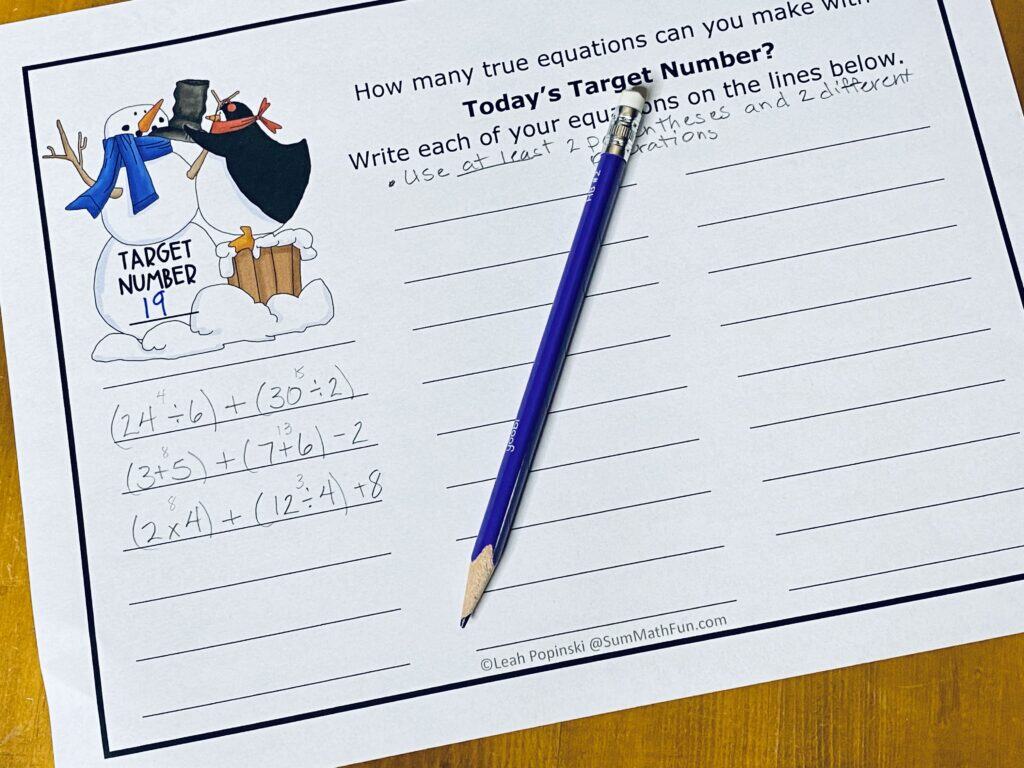
Warm-ups don’t need to be complicated — just short, predictable, and consistent. Even a 5–10 minute routine helps students settle in and prepares their brains for deeper math work. If you’d like ready-to-use ideas that fit busy winter mornings, my post Math Warm-Ups for Busy Mornings includes simple prompts and examples that make this routine easy to start in January.
7. Make Winter Teaching Feel Easier (Not Harder)
Winter is long. Students get tired. Teachers get tired. And weather or schedule changes make everything feel unpredictable.
The goal is not to add more — it’s to use the right activities at the right time.
Here are a few strategies that help most:
-
Rotate themes slowly (snow → penguins → mittens → hearts in February)
-
Keep directions consistent
-
Balance calm independent tasks with partner games
-
Use self-checking activities whenever possible
-
Pull in hands-on tasks once students settle back into routines
When activities feel manageable, students stay on track — and you get more time to focus on instruction and small groups.
8. Helpful Posts to Support Your Winter Teaching
If you’re refreshing routines for January, these posts pair well with the ideas in this guide and offer simple, ready-to-use strategies:
❄️ Easy Time Filler or Warm-Up
A quick winter-themed routine you can use as a warm-up, time filler, or early finisher task. It helps students settle in and builds number sense with almost zero prep. The post includes a set of free winter digital and print time-fillers that are super simple to implement and very effective.
📘 Math Center Accountability
If you’re re-establishing math center expectations after winter break, this post offers simple accountability ideas that help centers run smoothly and independently, plus free winter bump games – always a student favorite!
These posts strengthen your January routines and fit naturally alongside your winter worksheets, centers, and warm-ups.
9. You’re Ready for a Smoother Winter Season
With a few simple, low-prep activities in place, winter doesn’t have to feel overwhelming. Whether you need something calming for the first days back or engaging tasks that last all season, these ideas help your classroom run smoothly while still giving students meaningful math practice.
Free Winter Math Pack for Grades 1–4
To make winter teaching easier, I’ve bundled eight of my most-loved winter math activities into one simple, ready-to-download pack. These are the kinds of tasks teachers reach for all season—quick to use, easy to explain, and meaningful for students.
Here’s what’s inside:
-
❄️ Winter math worksheets
-
🎲 No-prep game boards
-
⛄ Winter-themed problem-solving pages
-
🧤 Early finisher challenges
-
📝 Warm-ups and “quick wins” for busy mornings
-
🐧 A mix of print-and-go activities you can use anytime
-
🌨️ Hands-on tasks that work across grade levels
-
🧩 Winter brainteasers and puzzles
You can download the full pack below—it’s completely free:
👉 Download the Winter Math Freebie Pack
Before You Go
Winter can feel long, but your math block doesn’t have to. With simple, low-prep activities, you can keep students engaged while keeping your workload manageable.
Whether you’re looking for calm morning work, hands-on practice, structured movement, or meaningful enrichment, these winter resources will help make the season smoother and more predictable for both you and your students.
If you’d like to explore more options, the Winter category in my TpT store is full of games, color-by-number pages, puzzles, and review activities designed to make winter teaching easier.
You’re doing such important work — and I’m here cheering you on through every snowflake, warm drink, and wiggly winter morning. ❄️💙
📌 Save This Post for Later
Winter gets busy fast! If you want to keep these low-prep math ideas close by for centers, warm-ups, or those last-minute “need something now” moments, pin this post so you can find it all season long.
You’ll be glad you have it bookmarked when January hits!
👉 Tap the image below to save it to your favorite math or seasonal board.
Winter teaching doesn’t have to feel like a scramble. With a few simple routines and low-prep activities in your teacher-toolbox, your math block can feel calm, steady, and successful all season long. 🤓
I’d love to know — which winter math idea are you excited to try first? 💬